
How to End a Friendship
Ending a friendship is one of the hardest social decisions an adult can make — and one of the least talked about. If you're here, you're probably already past the point of wondering whether something is wrong. You're trying to figure out what to do next.
There is no single right way to end a friendship, but there are approaches that make the process cleaner, kinder, and less likely to leave you second-guessing yourself for months afterward.
Step 1: Figure Out What the Friendship Actually Needs
Not every draining friendship requires a formal ending. Some simply need to be repositioned.
Think of your friendships as existing in tiers — an inner circle of 3-5 people you're genuinely close to, and outer rings of people you're friendly with but less invested in. If a friendship is costing you more than it's giving you, the first question to ask is: does it belong in a closer tier or a more casual one. Sometimes moving someone from your inner circle to a low-stakes acquaintance is enough to restore your equilibrium. You can still be friendly without being close.
If repositioning doesn't protect your energy — if the dynamic is genuinely harmful or draining, or the person won't respect a natural distance — a cleaner break is likely necessary.
Step 2: Choose Your Approach
Two endings work for most situations:
The Fade works for casual friendships or connections that are already naturally drifting. You stop initiating, you respond with less frequency, and you let the relationship taper off without a formal conversation. This isn't cowardly. This is the natural flow for most bonds. And for many friendships, it's the most proportionate response.
The Direct Conversation can be appropriate for a close or long-term friendship where the other person deserves to understand what's happening. A clean break with someone you've been genuinely close to is kinder than a fade they'll spend years trying to interpret.
Step 3: Keep It Simple
If you're having the direct conversation, the goal is clarity without cruelty. You don't need to present evidence or walk through every grievance. That will likely just make the other person defensive. You just need to be honest about the present reality.
Something like: "I've been doing a lot of thinking, and I feel like we've grown in really different directions. I care about the time we spent together, but I don't think this friendship is working for either of us anymore. I think it's time for us to move on. I wish you all the best."
That's enough. You don't owe anyone a debate.
Step 4: Give Yourself a Clean Break
Once the decision is made, protect it. That means unfollowing on social media, not checking their profiles, and not reaching out during a moment of nostalgia or guilt. This isn't punitive; it's practical. You made a hard call for good reasons. Trust them. Write them down in a journal, take a deep breath, and acknowledge that the decision you made comes with some temporary discomfort. Then, give yourself the space and time to actually move forward. Use your new found energy to invest in friendships that are more aligned with your values today.
Want to go deeper?
Ending a friendship is just one piece of navigating adult relationships, which are more complicated and ambiguous than anyone prepares you for.
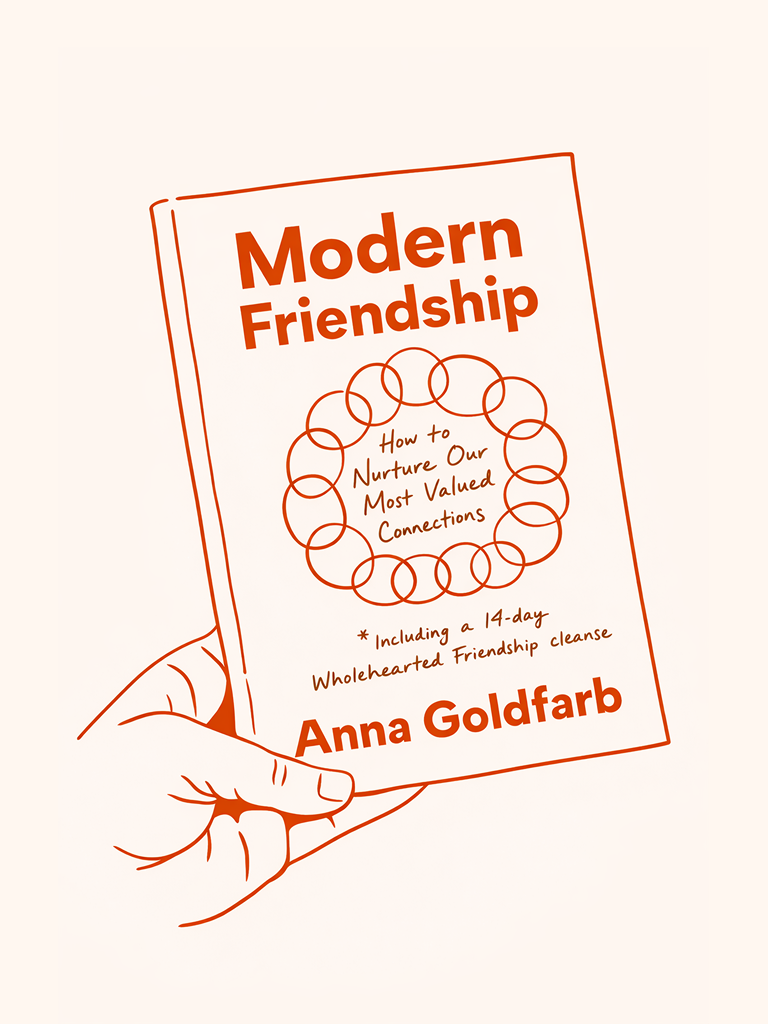
Modern Friendship is a practical, honest guide to the relationships that shape your life — how to build them, maintain them, and yes, let them go when it's time. Pick up a copy here.
For weekly advice on navigating the messy dynamics of adult friendship, subscribe to Friendship Explained on Substack. It's where the real conversation happens. Subscribe here.